![[Report] 화장유골은 자연으로 돌아가는가 ?](https://zbpwxkokqffmtaoozgie.supabase.co/storage/v1/object/public/post-images/1783609151638-43iy3qs6flq.png)
자연장과 산분장은 흔히 고인을 자연으로 돌려보내는 친환경적 장법으로 소개된다. 그러나 화장 후 남는 골분이 실제로 자연으로 순환되는지는 별개의 과학적 물음이다. 결론을 먼저 말하면, 화장유골은 나무를 태운 재와 달리 대부분 인산칼슘으로 이루어진 안정된 뼈 무기질로서, 강한 알칼리성과 높은 염분 때문에 집중 살포되거나 매립될 경우 국소적으로 토양과 식생에 부정적 영향을 줄 수 있다는 것이 여러 실증 자료의 공통된 지적이다. 이 리포트는 그 근거를 학술 연구와 공공 자료로 정리한 것이다.
화장유골 골분의 정체:
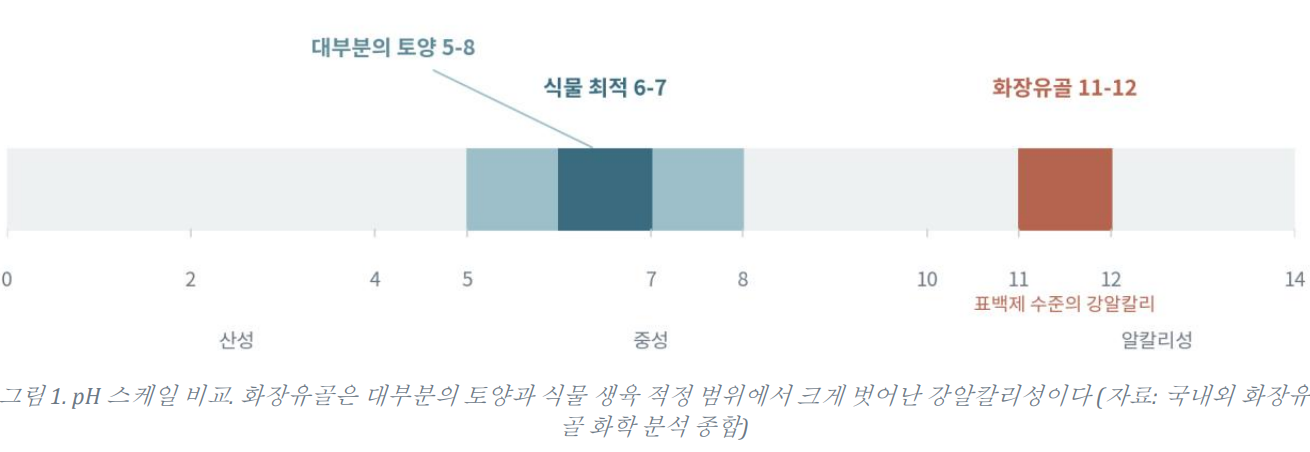
재가 아니라 뼈 무기질 첫 번째로 바로잡아야 할 통념은 화장유골이 재라는 인식이다. 화장은 섭씨 760도에서 980도의 고온 으로 진행되며, 이 과정에서 몸의 유기물과 수분은 거의 모두 연소되고 뼈의 무기질만 남는다. 남은 물질을 곱게 분쇄한 것이 골분이며, 그 주성분은 인산칼슘, 곧 하이드록시아파타이트이고 여기에 상 당량의 나트륨과 칼륨, 황산염이 더해진다. 국내 보도 역시 화장된 유골은 대부분의 유기물질이 타버리고 인산칼슘염 같은 무기물만 남으며, 이 무기물질은 화학적으로 안정되어 자연에서 거의 분해되 지 않는다는 점을 지적한다. 골분을 뿌릴 경우 자연 상태에서 분해되는 데 수백 년 이상 걸릴 수 있다 는 것이다. 성질을 결정하는 또 하나의 핵심은 강한 알칼리성이다. 화장유골의 pH는 대체로 11에서 12 사이로, 이는 표백제나 오븐 세정제에 맞먹는 수준이다. 대부분의 토양이 pH 5에서 8 사이이고 식물 생육에 가장 알맞은 범위가 6에서 7인 점을 고려하면, 골분은 토양과 식물이 감당하기에는 지나치게 알칼리 성이 강하다.
자세한 내용은 아래 원문을 참조하세요.
Natural burial and scattering of ashes are often presented as eco-friendly funeral practices that return the deceased to nature. However, whether the cremated remains actually reenter the natural cycle is a separate scientific question. To state the conclusion first: unlike the ashes produced by burning wood, cremated remains consist primarily of stable bone minerals—calcium phosphate—and, due to their strong alkalinity and high salt content, can have a negative impact on local soil and vegetation if they are scattered in concentrated areas or buried. This is a common finding across various empirical studies. This report summarizes the evidence supporting this conclusion, drawing on academic research and public data.
The True Nature of Cremated Remains:
Bone Minerals, Not Ash The first misconception that needs to be corrected is the belief that cremated remains are ash. Cremation takes place at high temperatures ranging from 760 to 980 degrees Celsius; during this process, almost all organic matter and moisture in the body are burned away, leaving only the inorganic minerals of the bones. The remaining material, when finely ground, is bone ash, whose main component is calcium phosphate—specifically, hydroxyapatite—along with significant amounts of sodium, potassium, and sulfates. Domestic media reports also point out that in cremated remains, most organic matter is burned away, leaving only inorganic substances such as calcium phosphate salts, and that these inorganic substances are chemically stable and hardly decompose in nature. This means that if cremated remains are scattered, it could take hundreds of years or more for them to decompose naturally. Another key characteristic is their strong alkalinity. The pH of cremated remains generally ranges from 11 to 12, which is comparable to that of bleach or oven cleaners. Considering that most soils have a pH between 5 and 8, and that the optimal range for plant growth is between 6 and 7, cremated remains are far too alkaline for the soil and plants to tolerate.
For more details, please refer to the original pdf file attached.
첨부 자료를 다운로드할 수 있습니다.